Industrial Operations Have Some of the Highest Water Bills in the Country
High-volume, continuous-use water systems are typical in industrial facilities, presenting substantial savings potential.
Industrial operations across the United States heavily depend on water for various functions, including cooling systems, process water, equipment cleaning, sanitation, and facility maintenance. These factors contribute to monthly water bills that many businesses consider an unavoidable part of their operational expenses. However, commercial water meters in industrial environments are susceptible to issues such as air entrainment and pressure irregularities, which can lead to inaccurate readings. In high-volume facilities, the financial implications of these inaccuracies can be significant.
The Smart Valve™ has been installed in over 20,000 commercial and industrial facilities throughout North America. In industrial settings, it has been shown that installing the Smart Valve™ can result in a 15–35% reduction in metered water consumption, translating to considerable annual savings, often more than seen in any other sector. The installation process takes place on the customer’s side of the meter, requiring no modifications to production equipment, no downtime, and incurring no upfront costs.

Manufacturing
Water is integral to the manufacturing process at every stage, and meters in these environments are often prone to over-reading.

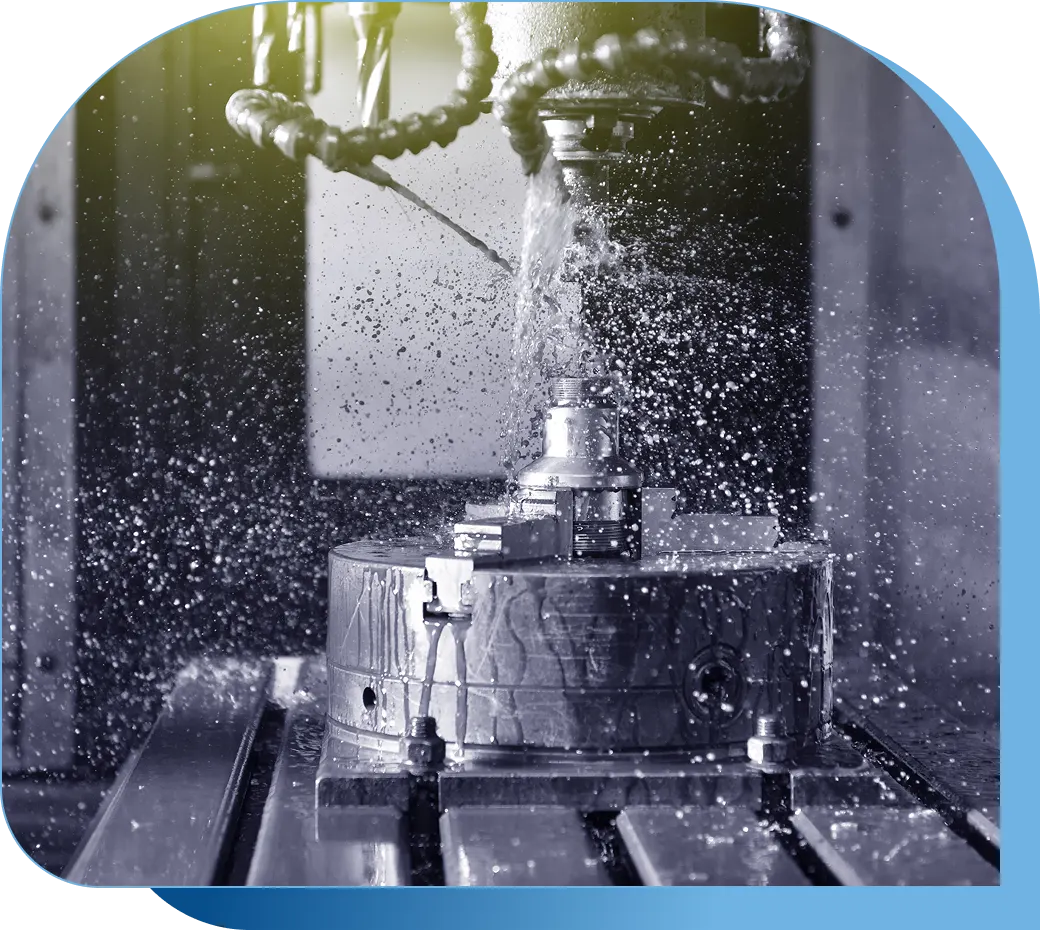
Manufacturing facilities utilize water for a variety of purposes depending on the type of product being produced. This includes cooling machinery and processes, cleaning components, sanitizing production areas, and supporting employee facilities for a large workforce. In many manufacturing operations, water usage occurs continuously across multiple shifts, making it one of the facility’s most consistent utility expenses.
With a guaranteed reduction in metered consumption of 15–35% and no upfront capital requirement, the program is easy to evaluate and implement. A free site assessment will confirm compatibility with your water system and provide a projected savings estimate based on your current billing.
With a guaranteed reduction in metered consumption of 15–35% and no upfront capital requirement, the program is easy to evaluate and implement. A free site assessment will confirm compatibility with your water system and provide a projected savings estimate based on your current billing.
Metalworking
Cutting fluids, coolants, parts washing, and facility sanitation make metalworking shops significant and consistent users of water.
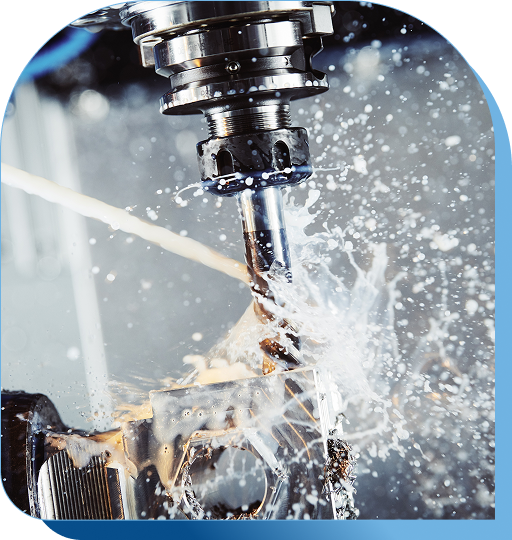
Metalworking operations—such as machining, fabrication, stamping, and finishing—depend on water for several critical processes. Cutting and grinding operations utilize water-based coolants and lubricants to manage heat and extend tool life. Parts washing stations clean components between production steps, while surface finishing may require water at various stages. Additionally, like any commercial facility, staff restrooms and general sanitation contribute to daily water consumption.
What makes metalworking environments particularly vulnerable to over-metering is the intermittent, high-flow demand created by coolant systems and parts washers cycling on and off. These pressure fluctuations draw air into the system, which registers as water volume on the meter. The Smart Valve™ smooths those fluctuations and stops air from reaching the meter in the first place.
Installation requires no modifications to coolant systems, parts washers, or any other production equipment. The Smart Valve™ is installed in the mechanical room and works seamlessly alongside existing infrastructure. A free site assessment is the logical first step, it’s complimentary and carries no obligation.
Large-Scale Food Production
Food safety standards require continuous water use for sanitation, making food production facilities among the most water-intensive businesses in the country.
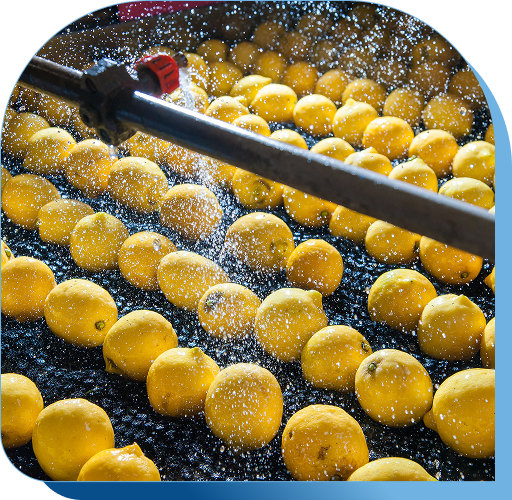
Large-scale food production facilities must adhere to strict regulatory requirements for sanitation, which directly impacts water consumption. Production equipment needs to be cleaned between runs, and surfaces and floors must be sanitized on a regular basis. Additionally, both produce and proteins are washed before processing. In many facilities, the volume of water used for sanitation can equal or surpass that used in the production process, and this usage occurs on a fixed schedule regardless of production volume.
Since sanitation cannot be reduced or postponed, the Smart Valve™ approach is ideally suited for food production environments. Every wash cycle, sanitation step, and cleaning protocol occurs as required; the only variation is in what the meter records.
With over 20,000 installations completed across North America, and a performance guarantee for each one, the program demonstrates a solid track record in high-demand commercial water environments. An annual inspection program ensures optimal performance at no additional cost to the facility.
See If Your Property
Qualifies for 15%–35% Water Savings
If your facility has high water usage, a water bill review is the first step in determining whether system-level optimization is appropriate.
There is no obligation beyond the review. The objective is straightforward: identify whether meaningful, measurable water savings can be achieved for your property.
Qualified businesses must spend over $4,000 USD per month on average on water and sewage.